Machine-learning technology developed to differentiate types of blood clots based on shape

Platelets (also called thrombocytes) are small sticky cell fragments that circulate through the blood stream and group together to fix damaged blood vessels. This grouping, known as a blood clot, is a biological mechanism to prevent excessive bleeding from injury. However, excessive clotting activity can block blood vessels, causing a heart attack or stroke. There are several causes (agonists) of blood clots, and until now it has been considered impossible to classify the cause of the clots, even through the use of microscopic imaging.

A group of researchers have recently developed a tool that uses machine-learning technology to differentiate different types of blood clots based on subtle differences in shape. Based on this information, physicians can more easily diagnose the cause of individual blood clots as well as how to treat them.

Lead author Yuqi Zhou and her colleagues started by taking blood samples from a healthy individual and exposed them to different clotting agents. These different clotting agents (also called coagulants) are molecules or substances that cause platelets to clot together, such as vasopressin. (On the other end of the spectrum, drugs like aspirin limit platelet signalling so they don’t stick together. People experiencing debilitating blood clots will often also take blood thinners like warfarin and heparin.) The team of researchers captured thousands of images of the different varieties of clots caused by each clotting agent, using a technique called high-throughput imaging flow cytometry.

Figure 1
A rough run-through of the imaging flow cytometry and machine learning process; Image Credit: Figure 1 of Source #4

Next, they used a type of machine-learning technology called a convolutional neural network, or CNN. It starts with an input image, assigns importance (weighting or biasing certain features) to various aspects or objects in the image, and differentiates that image from others. They trained their computer (called the iPAC, intelligent platelet aggregate classifier) to identify subtle differences in the shape of clots caused by different clot agonists. Out of 25,000 clot images that the computer had never seen before, iPAC was able to distinguish most of the clot types. They also tried blood samples from several different people, with the same result.

“Using this new tool may uncover the characteristics of different types of clots that were previously unrecognized by humans, and enable the diagnosis of clots caused by combinations of clotting agents. Information about the causes of clots can help researchers and medical doctors evaluate the effectiveness of anti-clotting drugs and choose the right treatment, or combination of treatments, for a particular patient.”

Keisuke Goda, Senior Author and Professor at the University of Tokyo’s Department of Chemistry

Zhou and her colleagues hope that the newly-developed technology could be used to understand the mechanism behind the strange blood clotting seen in some patients afflicted with COVID-19. However, much about the virus (and its less common symptoms) remains unknown.

References

  1. Zhou Y, Yasumoto A, Lei C, Huang C-J, Kobayashi H, Wu Y, Yan S, Sun C-W, Yatomi Y, Goda K. 2020. Intelligent classification of platelet aggregates by agonist type. eLife.
  2. Williams M. 2017. What are Platelets and Why are They Important? Johns Hopkins Medicine. Johns Hopkins University.
  3. Saha S. 2018. A Comprehensive Guide to Convolutional Neural Networks — the ELI5 way. Towards Data Science. Medium.
  4. Blasi T, Hennig H, Summers HD, Theis FJ, Cerveira J, Patterson JO, Davies D, Filby A, Carpenter AE, Rees P. 2016. Label-free cell cycle analysis for high-throughput imaging flow cytometry. Nature Communications 7.
New dietary regime found to slow progression of colorectal cancer

Colorectal (colon) cancer is the third most common cancer in both men and women, and typically occurs after the age of 50. The disease often starts in the colon or rectum as precancerous polyps, which are abnormal tissue growths (usually taking the form of small flat bumps). Screening technology allows early detection of polyps, so they can be monitored and treated if necessary. However, roughly 30% of adults in the United States between 50 and 75 years of age are not up to date on colonoscopy screenings.

Scientists from the University of Southern California, working in conjunction with the Firc Institute of Molecular Oncology (IFOM) in Milan, Italy, have discovered a diet that may treat certain types of cancer when combined with vitamin C. The diet focuses on the principle of fasting, or abstaining from consumption of food or drinks for a certain period of time. The idea behind a fasting-mimicking diet is that it not only starves cancerous cells of nutrients, but also activates the immune system to better detect and respond to the cancer.

Fasting is a challenging option for cancer patients, especially those who are already in a weakened state due to cancer progression or chemotherapy. A safer option is a low-calorie, plant-based diet supplemented with vitamin C; this delivers nutrients while still causing cells to react as if the body were fasting. While previous studies on the cancer-fighting efficacy of vitamin C have been mixed, more recent studies support the nutrient’s promise, especially when used in combination with chemotherapy. In the USC study, the researchers hypothesized that the diet would enhance the hyperdosed vitamin C’s effect by creating an environment within the body that would be unsustainable for cancerous cells, while still being safe for normal cells.

“For the first time, we have demonstrated how a completely non-toxic intervention can effectively treat an aggressive cancer… Our first in vitro experiment showed remarkable effects. When used alone, fasting-mimicking diet or vitamin C alone reduced cancer cell growth and caused a minor increase in cancer cell death. But when used together, they had a dramatic effect, killing almost all cancerous cells.

Valter Longo, Senior Study Author and Director of the Longevity Institute at the USC Leonard Davis School of Gerontology

One of the most promising aspects of this treatment is its effect on KRAS-mutated cells. The KRAS gene provides instructions to make the K-Ras protein, which is part of the pathway signalling cells to grow, mature, and divide. It is classified as an oncogene, which is a gene that, when mutated, has the potential to cause normal cells to become cancerous. KRAS mutations signal that the body is resisting cancer-fighting treatment, and they reduce survival rate. These mutations occur in about a quarter of all human cancers, but up to half of colorectal cancers. The strong effect of the study’s treatment was shown to occur in cells with this gene mutation, which has been regarded as one of the most challenging targets to tackle in cancer research.

Studying the KRAS gene also may provide clues as to why some past studies showed a limited effect of vitamin C on cancerous cells. When administered alone, vitamin C appears to trigger KRAS-mutated cells to protect cancer cells by releasing an iron-binding protein known as ferritin. However, by reducing bodily levels of ferritin, vitamin C’s toxicity to cancer cells was increased. It was also noted that colorectal cancer patients with high bodily levels of ferritin have a lower chance of survival.

The study’s researchers spoke of their hope that treatments such as theirs will someday replace more toxic methods. With their method looking promising to move toward human trials, they are investigating the effects of the fasting-mimicking diet in combination with other cancer-fighting drugs. They also plan to test similar diets on breast and prostate cancer patients.

Original story and interview by Jenesse Miller.

References

  1. Di Tano M, Raucci F, Vernieri C, Caffa I, Buono R, Fanti M, Brandhorst S, Curigliano G, Nencioni A, de Braud F, Longo VD. 2020. Synergistic effect of fasting-mimicking diet and vitamin C against KRAS mutated cancers. Nature Communications 11.
  2. Miller J. 2020. A combo of fasting plus vitamin C is effective for hard-to-treat cancers, USC study shows. USC Press Room. University of Southern California.
  3. CDC. 2020. Colorectal (Colon) Cancer. Centers for Disease Control and Prevention. U.S. Department of Health & Human Services.
  4. NIH. National Cancer Institute SEER Training Modules. Types of Colorectal Cancer. National Institutes of Health.
  5. NIH. 2017. KRAS Gene. Genetics Home Reference. National Institutes of Health.

Trehalose sugar molecule may be able to preserve donated blood for years

Blood supply is essential for life-saving surgeries, chronic illnesses, cancer treatment, and traumatic injuries. However, while artificial blood is being tested in the lab, some main components (such as platelets and plasma) cannot be manufactured. For this reason, blood donation, collection, and storage are crucial for patients in need.

The four main components of whole human blood are red blood cells (RBC), white blood cells (WBC), platelets, and plasma. Red blood cells contain hemoglobin, a transport molecule that allows them to pick up and drop off oxygen molecules around the body. White blood cells help protect the body from infection. Platelets are small cell fragments that form clots at wound sites to stop or prevent bleeding. Plasma (the largest component of our blood, making up about 55%) is the straw-colored liquid component of blood, working alongside water to carry salts, enzymes, cells, and other essential entities through the bloodstream. All these components together are flowing through our bloodstream in a form known as whole blood.

Blood’s relatively short shelf-life of 6 weeks conflicts with the fluctuating need for blood across the country. Plasma, which has the longest period of usability, can be frozen and stored for up to one year. Whole blood can last for 42 days when stored at just above freezing temperature, while lone samples of platelets can survive for a mere 5 days when stored in an agitating machine that keeps them in motion and suspended so they don’t clot.

One of the most memorable occurrences of wasted blood due to shelf-life was in the aftermath of the 9/11 attacks on the World Trade Center. While less than 200 survivors required donated blood, 500,000 more units than average were donated in September and October of that year. As a result, more than 200,000 units of whole blood went unused and had to be discarded.

A potential solution to this problem is to dry the blood using a sugar-based preservative. The sugar, called trehalose, is produced by organisms living in some of Earth’s most extreme environments as a way to survive long periods of drought. It is relatively cheap and is used as a food preservative.

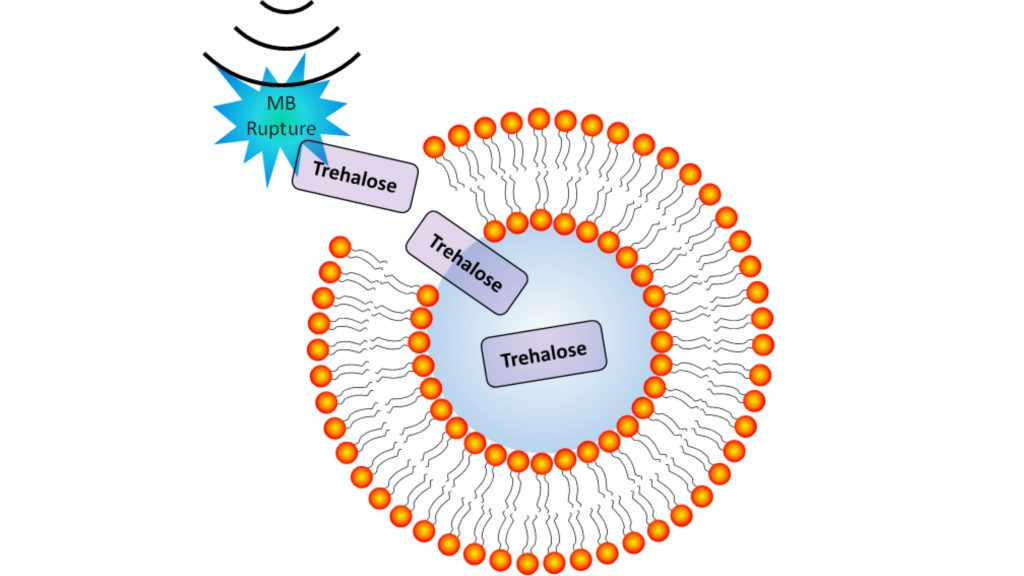
Researchers at the University of Louisville have developed a method to insert trehalose into red blood cells using ultrasound technology. The ultrasound creates what is known as a microbubble (MB) rupture, forming a temporary pore in the cell through which soluble materials like trehalose can enter. This sugar helps the cells prevent degradation when they are dried. Oscillating gases around the cells with the use of ultrasound tech also increases the number of viable cells that are able to be re-hydrated.

Schematic
Schematic of a microbubble (MB) rupturing a temporary hole into a cell membrane, through which trehalose can enter; image credit to Jonathan A Kopechek.

It is estimated that this method (which does not require freezing or refrigeration) could increase the shelf life of whole blood from weeks to several years. This would not only help with the global need for blood supplies, but also be especially important for people in situations where access to donations is difficult, such as on the battlefield or in space. The researchers from this project are currently hoping to perform more tests focusing on increasing the yield of viable blood cells from the re-hydration process.

Original story and interview by Larry Frum.

[Note from the author: I’d like to apologize from my extended break from stories on the site. Transitioning work environments due to the virus took a greater toll on me than I had expected, and I’m sure others have experienced similar circumstances. I plan to continue writing for the site, hopefully with variety and not all COVID-19-focused!]

References

  1. Centner CSMurphy EMPriddy MCMoore JTJanis BRMenze MADeFilippis APKopechek JA. 2020. Ultrasound-induced molecular delivery to erythrocytes using a microfluidic system. AIP Biomicrofluidics 14.
  2. Frum L. 2020. Ultrasound-Assisted Molecule Delivery Looks to Preserve Blood for Years. AIP Publishing. AIP Publishing.
  3. Sarkar S. 2008. Artificial blood. Indian Journal of Critical Care Medicine 12:140–144.
  4. ASH. Blood Basics. Hematologyorg. American Society of Hematology.
  5. Korcok M. 2002. Blood donations dwindle in US after post-Sept. 11 wastage publicized. Canadian Medical Association Journal 167:907.

AI technology predicts whether patients will benefit from an antidepressant

Depression (most commonly major depressive disorder, or MDD) is one of the most common mental illnesses in the world, with an estimated 264 million people around the globe suffering from at least one form of this category of mental illness. Anywhere from 10-30% of these people suffer from treatment-resistant depression, meaning that they do not have a significant positive response to one or more antidepressant treatments or medications. However, a new technology developed by researchers at California’s Stanford University may pave the way for a new diagnostic strategy that will help patients get the type of treatment they need without going through months of hurdles and trials.

MDD can severely impair sufferers’ ability to carry out major life functions, and patients often struggle to cope with stress from relationships and careers. It is often misdiagnosed as other mental conditions, such as bipolar disorder, which can interfere with patients getting effective treatment. Not only is ineffective medication a waste of money and time, but it also may cause adverse side effects in patients, including an increase in depressive or suicidal thoughts.

“We have a central problem in psychiatry because we characterize diseases by their end point, such as what behaviors they cause. You tell me you’re depressed, and I don’t know any more than that. I don’t really know what’s going on in the brain and we prescribe medication on very little information.”

Amit Etkin, PhD, Study Co-Author and Professor of Psychiatry and Behavioral Sciences at Stanford University

Amit Etkin, lead author of the Stanford study, wanted to see if an AI could predict an antidepressant’s effectiveness by reading patient brain waves before they had even received treatment. The study focused on the drug sertraline, which is effective in about 1/3 of patients with depression.

Sertraline is a type of drug known as a selective serotonin re-uptake inhibitor, or SSRI. It works by affecting levels of serotonin in the brain, as the name suggests. Serotonin is a neurotransmitter (chemical messenger) that travels between nerve cells in the brain. Sometimes referred to as the “happy chemical”, it influences mood, emotion, and sleep cycles. After a message is received, typically the serotonin molecule is reabsorbed and recycled by nerve cells in a process known as re-uptake. However, SSRI medications block this re-uptake, meaning the serotonin’s message continues on and affects more nerve cells, effectively increasing serotonin levels across the brain.

While it would be too simplistic of an explanation to say that depression (and other related mental health conditions) are caused by low serotonin levels, but several studies have shown that a rise in serotonin levels can improve symptoms. Higher levels of serotonin can also make sufferers more responsive to other types of treatment, including therapy and different classes of antidepressants. As a result, sertraline is used to treat a multitude of mental disorders other than depression, including obsessive-compulsive disorder (OCD), post-traumatic stress disorder (PTSD), and panic disorder.

Etkin’s team used an electroencephalogram (EEG) machine to analyze the brainwaves of 228 people suffering from depression aged 18-65 who were not actively using antidepressants. Half of the participants were then given sertraline and the other half took a placebo. The researchers then monitored each participant’s moods over the next 8 weeks. The machine learning-algorithm then compared EEG readings of patients who responded either well or poorly to sertraline. The AI found a specific pattern of brain activity that was correlated with a higher likelihood of finding sertraline helpful. When the AI was tested on a different group, the AI had a 76% success rate of predicting which people would benefit from the drug.

Sample EEG signals used in this research from the left brain hemisphere: a normal; b depression.  
An example of an EEG scan from a 2015 study showing the difference in the left brain hemisphere between a depressed and non-depressed person; image credit to Vidya K. Sudarshan.

Etkin has founded a company called Alto Neuroscience to further develop this AI. However, more trials will be needed before this technology becomes a mainstream diagnostic tool.

If you or a loved one are experiencing suicidal thoughts, contact the National Suicide Crisis Line at 1-800-273-8255.

Original story and interview by Jason Arunn Murugesu.

References

  1. Wu WZhang YJiang JLucas MVFonzo GARolle CECooper CChin-Fatt CKrepel NCornelssen CAWright RToll RTTrivedi HMMonuszko KCaudle TLSarhadi KJha MKTrombello JMDeckersbach TAdams PMcGrath PJWeissman MMFava MPizzagalli DAArns MTrivedi MHEtkin A. 2020. An electroencephalographic signature predicts antidepressant response in major depression. Nature Biotechnology.
  2. Murugesu JA. 2020. Brain activity can help predict who’ll benefit from an antidepressant. NewScientist. New Scientist Ltd.
  3. GBD 2017 Disease and Injury Incidence and Prevalence Collaborators. 2019. Global, regional, and national incidence, prevalence, and years lived with disability for 354 diseases and injuries for 195 countries and territories, 1990–2017: a systematic analysis for the Global Burden of Disease Study 2017. The Lancet 392:e44.
  4. Al-Harbi KS. 2012. Treatment-resistant depression: therapeutic trends, challenges, and future directions. Patient Prefer Adherence 6:369–388.
  5. National Health Services. 2019. SSRIs (selective serotonin reuptake inhibitors). NHS Direct Wales. Welsh Ambulance Services NHS Trust.
  6. Acharya URSudarshan VKAdeli HSanthosh JKoh JEWAdeli A. 2015. Computer-Aided Diagnosis of Depression Using EEG Signals. European Neurology 73:329–336.

Remdesivir worked against SARS and MERS… what about COVID-19?

Remdesivir, an antiviral drug originally developed in 2014 to treat the West African Ebola virus, has proven to be effective at treating severe acute respiratory syndrome (SARS) and Middle East respiratory syndrome (MERS) coronavirus strains. However, will it work against the global panic-inducing 2019 novel Coronavirus? So far, studies say yes.

As recently reported in the New England Journal of Medicine, Remdesivir was tested on a Wuhan coronavirus-afflicted American. The drug was administered on the seventh day of illness, and the patient showed marked improvement within the next day, with their symptoms eventually disappearing altogether.

It’s not just research that supports Remdesivir, however. Assistant director-general of the World Health Organization Bruce Alyward recently spoke at a press conference in Beijing, saying, “There is only one drug right now that we think may have real efficacy [against 2019-nCov] and that’s Remdesivir.”

While the drug has been around for a while, it wasn’t until recently that scientists discovered the actual mechanism behind it. A recent study published in the Journal of Biological Chemistry showed that Remdesivir works by mimicking the building blocks of RNA synthesis. RNA is the genetic material that viruses are encoded with, and synthesis (creation via copying) is necessary for the virus to spread. Enzymes within the virus working to synthesize the genome mistake Remdesivir with the substances they are supposed to be using. As the drug is incorporated into the growing strand of RNA, the virus is no longer able to replicate correctly.

Gilead (the company that originally developed the drug compound) is currently collaborating with Chinese health officials to study treatment on sufferers of the disease with moderate to severe symptoms. They anticipate results by April. This, however, likely won’t be the end of the story of drugs to fight 2019-nCov warns Matthias Götte, virologist and lead author of the JBC article.

“It’s likely we’ll need more than one drug to properly fight emerging diseases like COVID-19, as we have with HIV and hepatitis C virus infections. Ideally, we will have a couple of drugs because certain strains could be resistant to certain treatments.

Matthias Götte, PhD ,Professor and Chair, Department of Medical Microbiology at the University of Alberta

If you’d like to learn more about 2019-nCov as a virus, check out my previous post on the subject!

Original story and interview by Ryan O’Burne.

References

  1. Gordon CJTchesnokov EPFeng JYPorter DPGotte M. 2020. The antiviral compound remdesivir potently inhibits RNA-dependent RNA polymerase from Middle East respiratory syndrome coronavirus. Journal of Biological Chemistry.
  2. O’Byrne R. 2020. Study reveals how drug meant for Ebola may also work against coronaviruses. Folio. University of Alberta.
  3. Holshue MLDeBolt CLindquist SLofy KHWiesman JBruce HSpitters CEricson KWilkerson STural ADiaz GCohn AFox LAPatel AGerber SIKim LTong SLu XLindstrom SPallansch MAWeldon WCBiggs HMUyeki TMPillai SK. 2020. First Case of 2019 Novel Coronavirus in the United States. New England Journal of Medicine.
  4. La Monica PR. 2020. Gilead Sciences drug remdesivir may help treat coronavirus symptoms, according to WHO. CNN Business. Turner Broadcasting System, Inc.

Researchers develop synthetic bioplastic that protects against UV radiation

Researchers at the University of Oulu in Finland have recently developed a new synthetic bioplastic made of derivatives of dehydrated cellulose, a sugar molecule produced by plants. Bioplastics differ from traditional carbon-based plastics because they are not produced from petroleum, but rather from renewable sources (such as plant trimmings). Several types of bioplastics are also biodegradable.

This specific bioplastic trumps its carbon-based counterparts in many ways. The plastic is able to prevent ultraviolet (UV) radiation from passing through it; normally, UV radiation harms plastic overtime, causing it to yellow and become brittle in a process called UV degradation. In addition, this new material boasts 3-4 times the air-tightness of polyethylene terephthalate (PET) plastic, which is the most common material used in plastic water bottles. However, bottles aren’t the only application of this material. The UV ray protection of this bioplastic could be useful in production of any materials that might be in direct sun contact for extended periods of time, giving them a longer lifespan and increased performance.

Finland isn’t the only country making strides in the field of bioplastics, however. In 2018, researchers from Tel Aviv University in Israel used a microbe to create a bioplastic in a unique way. They cultivated a species of sea lettuce (Ulva lactuca) and fed it to a single-celled archaebacterial species (Haloferax mediterranei). The waste product of H. mediterranei was a bioplastic polymer called polyhydroalkanoate (PHA). Not only is PHA biosynthetic, it is also completely biodegradable.

Every year, over eight million metric tons of plastic end up in the ocean, leeching chemicals into seawater and harming ocean life. As such, there have been many pushes in recent decades to develop a more sustainable solution to synthetic plastics. However, many current biodegradable products aren’t as eco-friendly as we might think. Often, they still require large amounts of natural resources, like fertile soil and fresh water as opposed to petroleum. Searching for an alternative to plastics made of fossil fuels is important, but any product that hopes to make a lasting impression must also not put strain on current land resources. For this reason, it’s crucial that plastics are being grown in labs from agricultural plant waste, rather than in fields themselves.

The European Union has been sponsoring several bioplastic initiatives in recent years, such as the Circular Economy Action Plan and the Bioeconomy Strategy (click on each for links to fantastic videos explaining the concepts). The US has a bit of room to catch up in regards to public policy on this subject, possibly due to the foreboding presence of the fossil fuel industry here. Innovation and successful trials are the first steps to make bioplastics environmentally and commercially relevant.

References

  1. Kainulainen TPHukka TIÖzeren HDSirviö JAHedenqvist MSHeiskanen JP. 2020. Utilizing Furfural-Based Bifuran Diester as Monomer and Comonomer for High-Performance Bioplastics: Properties of Poly(butylene furanoate), Poly(butylene bifuranoate), and Their Copolyesters. Biomacromolecules 21:743–752.
  2. Torikai AShirakawa HNagaya SFueki K. 1990. Photodegradation of polyethylene: Factors affecting photostability. Journal of Applied Polymer Science 40:1637–1646.
  3. Ghosh SGnaim RGreiserman SFadeev LGozin MGolberg A. 2019. Macroalgal biomass subcritical hydrolysates for the production of polyhydroxyalkanoate (PHA) by Haloferax mediterranei. Bioresource Technology 271:166–173.
  4. Stimolo S. 2019. Europe: the relevant policies to support bioplastics. The Cryptonomist.

Naturally produced protein AKAP8 found to suppress spread of breast cancer

A protein naturally produced in the human body, known as AKAP8 (A-Kinase Anchor Protein) has been found to supress the metastasis (spread) of breast cancer. A groundbreaking study from researchers at Baylor College of Medicine in Houston, Texas found AKAP8 to be an important regulator in metastasis of tumors. High levels of AKAP8 also forecast a better survival rate for breast cancer patients.

Researchers at Baylor had previously been researching cellular mechanisms that could possibly regulate or inhibit breast cancer metastasis. One such process, called alternative splicing, was found to control tumor metastasis in a 2019 study. Alternative splicing is a natural cellular process in which a cell produces a large number of proteins from a small number of protein-encoding genes. (Imagine putting together several different outfits by combining a small set of clothes in different orders.) This helps the cell with anything from wound healing to embryonic development. Around 95 percent of all human genes are processed through alternative splicing, and it is crucial for the versatility of our genetic code. However, it was only recently that the role of alternative splicing in cancer has been looked into.

AKAP8 is a type of scaffolding protein, which help a cell hold its structure and transport molecules from place to place. In mouse cancer cell models, it was found that depletion of AKAP8 promoted breast cancer metastasis, while providing an external source of the protein inhibited metastasis. It was found that AKAP8 regulates the alternative splicing processes of other proteins, such as CD44 and CLSTN1S, the later of which is associated with preventing cells from metastasizing.

“We think that modulators of alternative splicing participate in a delicate balancing act of many different cellular proteins. Two types of modulators alternative splicing toward the production of proteins that help cells remain in a normal state. The other type tips the balance toward proteins that promote metastatic transformation. If the balance is disturbed, tumor progression can be promoted. By investigating how the balance is kept and the factors that disturb the balance, we hope to understand a new layer of regulation of tumor metastasis and gain insights that could lead to treatments for metastatic cancer, a deadly disease.

Dr. Chonghui Cheng, Author and Associate Professor at the Lester and Sue Smith Breast Center at Baylor College of Medicine

This potential form of protein-based cancer treatment is not the first of its kind. Another example is BXQ-350, which consists of a natural human protein (Saposin C) combined with nanobubbles of a fat molecule. BXQ-350 is able to find and kill cancerous cells without destroying healthy tissues. In addition, the chemical properties of the fat molecule allow it to pass through the blood brain barrier, making it particularly useful in treating brain cancers such as glioblastomas (malignant tumors affecting the brain and spine). While many synthetic procedures are showing promise in initial testing, continuation of research into the body’s natural defense mechanisms against cancer can prove extremely useful in our fight to develop treatments.

Original story and interview by Molly Chiu of Baylor College of Medicine.

References

  1. Hu XHarvey SEZheng RLyu JGrzeskowiak CLPowell EPiwnica-Worms HScott KLCheng C. 2020. The RNA-binding protein AKAP8 suppresses tumor metastasis by antagonizing EMT-associated alternative splicing. Nature Communications.
  2. Chiu M. 2020. Protein AKAP8 suppresses breast cancer metastasis. Baylor College of Medicine. Baylor College of Medicine.
  3. Eide TSCoghlan VJCØrstavik SDHolsve CSolberg RSkålhegg BLamb NLangeberg LFernandez AScott JJahnsen TTaskén K. 1998. Molecular Cloning, Chromosomal Localization, and Cell Cycle-Dependent Subcellular Distribution of the A-Kinase Anchoring Protein, AKAP95. Experimental Cell Research 305–316.
  4. Eide TTaskén KACarlson CWilliams GJahnsen TTaskén KCollas P. 2003. Protein Kinase A-anchoring Protein AKAP95 Interacts with MCM2, a Regulator of DNA Replication. Journal of Biological Chemistry 278:26750–26756.
  5. Rixe OMorris JCPuduvalli VKVillano JLWise-Draper TMMiller CJohnson ANWesolowski RQi X. 2018. First-in-human, first-in-class phase 1a study of BXQ-350 for solid tumors and gliomas. Journal of Clinical Oncology 36:2517.

MIT chemists map the structure of an integral influenza protein channel

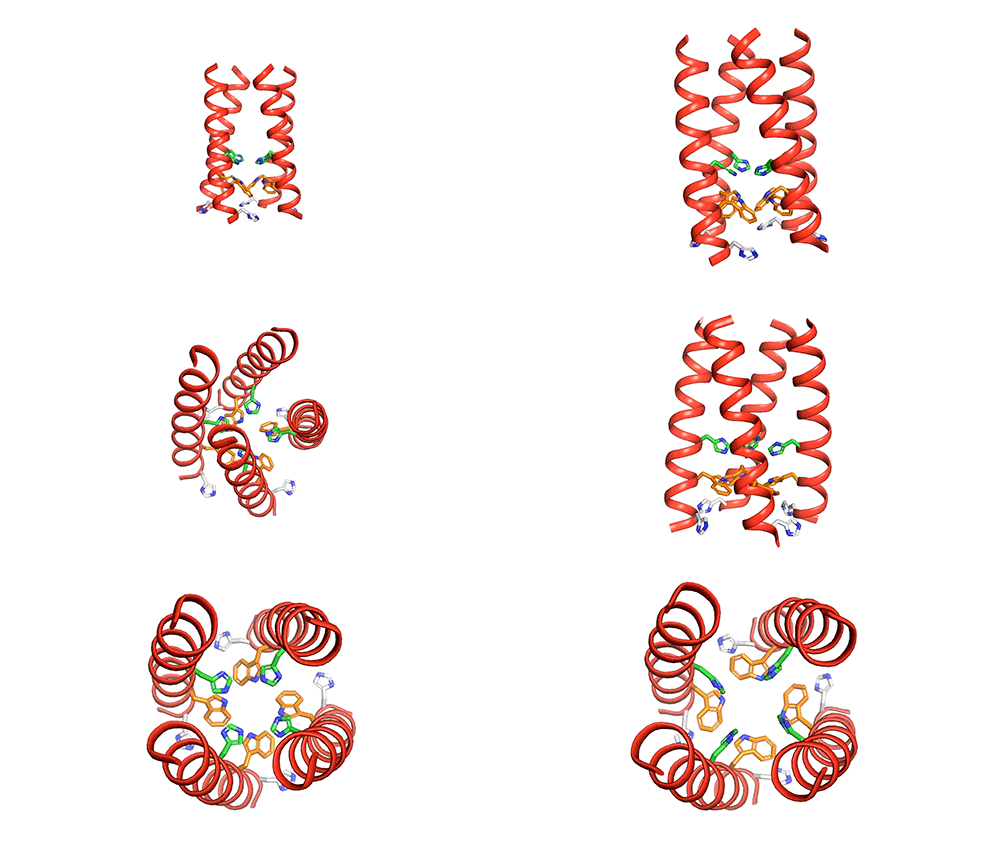
A team of MIT chemists has recently discovered the structure of a protein, BM2, that is integral to the structure of influenza B. This protein acts as a proton channel, a membrane protein that allows protons (also called hydrogen ions or H+) to pass into the virus. Normally, these ions would be blocked by the virus’s outer membrane, called the lipid envelope. However, by lowering the pH through increasing levels of H+ ions, acidity increases and makes it easier for the virus to merge its lipid envelope with the membrane of an endosome (an intercellular compartment). After injecting its genetic content, the virus hijacks intercellular systems to rapidly copy and spread the virus further.

Mei Hong, MIT professor of chemistry and senior author of the study, remarked, “Having the atomic-resolution structure for this protein is exactly what medical chemists and pharmaceutical scientists need to start designing small molecules that can block [the channel].” Theoretically, blocking the flow of protons through this channel will inhibit infection by making it more difficult for them to enter host cells.

There are three classes of influenza viruses that affect humans: A, B, and C. Influenza A is typically the most dangerous, and is more common during the start of the flu season. They are the only kind of flu virus known to cause global flu epidemics. Influenza A is further broken down into sub-types based on the arrangement of hemagglutinin (H) surface proteins and neuraminidase (N) enzymes. Hemagglutinin helps viruses attach to the surface of host cells and infect them, while neuraminidase is required within host cells to replicate the virus. These H and N arrangements also help to name the sub-types, labelled with H1 through H18 and N1 through N11. You may be familiar with this naming scheme already if you remember the devastating 2009 outbreak of H1N1 (“swine flu”), or the 2003 H5N1 “bird flu”.

Influenza B is typically less severe and matures slower than influenza A. It is broken down into two sub-types, based solely on the arrangement of surface hemagglutinin proteins: B/Yamagata and B/Victoria. Influenza B infects mainly seals and humans, and usually shows up later in the flu season, around March and April.

Influenza type C is rarer than types A and B, and typically only causes mild illness. It has been shown to affect both humans and pigs.

Each of the three classes produces a different version of the M2 protein. The MIT research team first set out to find the differences between the M2 proteins. One key difference is that the BM2 channel allows protons to flow in either direction, whereas influenza A’s AM2 channel only allows protons to flow inside the virus. Most studies up until now have focused on the AM2 channel because of influenza A’s prevalence. However, this year influenza B infection has contrasted previous patterns. It has been unusually dominant this winter, and since September 2019 has accounted for roughly 2/3 of all flu cases reported to the U.S. Centers for Disease Control since.

To see the structure of BM2 in detail, the researchers used nuclear magnetic resonance (NMR) spectroscopy to analyze the protein down to the atomic scale. Spectroscopy is the study of the interaction between matter and electromagnetic radiation. In this case, a machine was used to observe local magnetic fields around the nuclei of the atoms making up the BM2 protein. The researchers excited the nuclei sample with radio waves, and a signal of a certain frequency was released and picked up by an NMR detection instrument. The fields released during atomic excitation are unique and characteristic to each individual compound, so the data gave details about the structure, dynamics, and chemical environment of the molecules in the protein.

The M2 channel is made of four helices, whose alignments change slightly depending on the environmental pH. High pH (low acidity) signals the channel to close. Low pH (high acidity) signals the helices to increase their tilt and open up like a pair of scissors and allows water to enter the channel. As water floods the channel, histidine (an amino acid) grabs protons from the water and delivers them to the virion (a fancy term for a virus found outside of a host cell). Unlike the AM2 channel, the BM2 channel was found to have an extra histidine at the opposite end. The research team believes this may be why the protons can flow in either direction, but what advantage or increase in virility this may provide the virus is currently unknown.

The chemists created this model depicting how the BM2 proteins tilt to open the channel; GIF credit to Venkata Shiva Mandala.

Now that a model of BM2’s structure has been created, biomedical chemists can search for ways to block it. Influenza A treatments like Amantadine and Rimantadine work by wedging into the AM2 channel and stopping the flow of protons. However, these specific drugs are ineffective at blocking proton flow in type B influenza. The precedent for this type of treatment, however, gives promise to future research.

In the meantime, we’ll have to keep reaching for tissues and Vicks Vapo-rub.

References

  1. Mandala VSLoftis ARShcherbakov AAPentelute BLHong M. 2020. Atomic structures of closed and open influenza B M2 proton channel reveal the conduction mechanism. Nature Structural and Molecular Biology 27:160–167.
  2. Trafton A. 2020. Chemists unveil the structure of an influenza B protein. MIT News. Massachusetts Institute of Technology.
  3. Díaz FEDantas EGeffner J. 2018. Unravelling the Interplay between Extracellular Acidosis and Immune Cells. Mediators of Inflammation 2018.
  4. Osterhaus ADMERimmelzwaan GFMartina BEEBestebroer TMFouchier RAM. 2000. Influenza B Virus in Seals. Science 288:1051–1053.
  5. Becker ED. 1993. A Brief History of Nuclear Magnetic Resonance. Analytical Chemistry 65:295A–302A.

Coronavirus outbreak traced to strain of bat pneumonia

A viral strain dubbed novel coronavirus (2019-nCov), also known as the Wuhan coronavirus, has been recently making global headlines. The outbreak of this virus began in mid-December 2019, but has been escalating since mid-January 2020. Emerging viral infections can pose major threats to public health, and as a result it is crucial to study the viral strains in an attempt to treat the symptoms of the illness and prevent it in the future.

2019-nCov is just one of a group of several viruses in the Coronavirus class. In humans, coronavirus infections cause respiratory problems, notably by many symptoms similar to those of the common cold. Rarer forms of this infection, such as severe acute respiratory syndrome (SARS) can be lethal. This condition (caused by SARS-associated coronavirus) is well known from a 2003 outbreak, which began in Asia and spread to the United States.

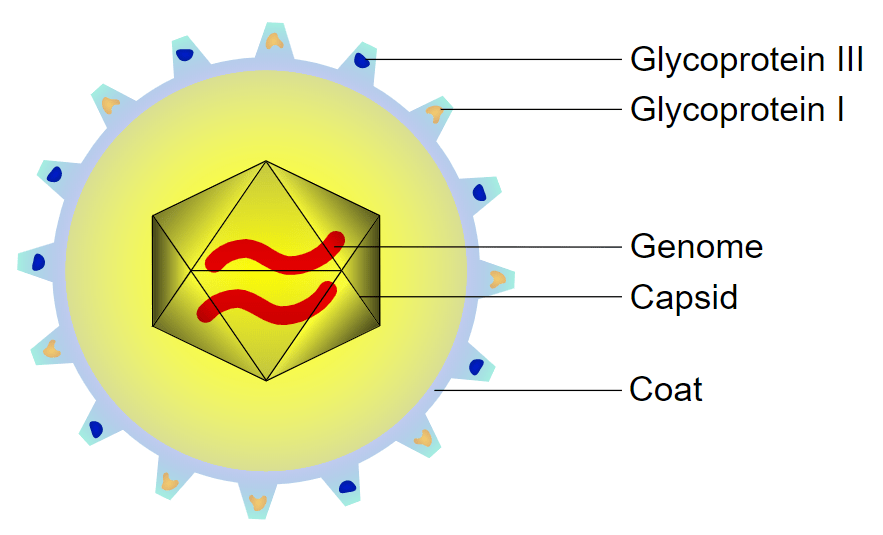
Coronavirus is a type of enveloped virus. This means that its surface is covered in different types of proteins, such as glycoproteins (proteins with an attached carbohydrate molecule). These glycoproteins bind to receptors on a host cell’s outer membrane and fuse to it, allowing the viral genome (encased in a capsid) to enter and infect the cell. Enveloped viruses are more adaptable than non-enveloped viruses, so they can change relatively quickly to evade a host’s immune system. One such way of changing/evolving is antigenic shift, whereby two or more different viruses combine to form a new subtype of virus with a mixture of surface proteins from the parent strains. Currently, there are no antiviral drugs or vaccines that have been approved for prevention or treatment of 2019-nCov, but several bio-pharmaceutical companies are reportedly working to develop one.

Typical structure of a virus protected by a viral envelope; image credit to Gérard Cohen.

A recent study has found that the individuals originally affected by the virus were exposed to wildlife animals at the Huanan Seafood Wholesale Market, where various animals (ranging from poultry and other typical farm animals to snakes and bats) were being sold. After conducting a genetic analysis of the virus compared to other viral information, the researchers found that 2019-nCov is 96.2% genetically similar to a strain of coronavirus found in bat species. For comparison, 2019-nCov is 79.5% similar to SARS, another coronavirus strain that has infected humans and was traced to bats.

Similarity of new viruses (compared to older, already sequenced viruses) is important to health research and vaccine development. The previously-developed SARS vaccine may serve to help in the development of a vaccine for 2019-nCov. There are currently relatively few differentiated strains of 2019-nCov (implying that it evolved fairly recently) but its mutation rate and the effect of vaccines on the strains has yet to be seen.

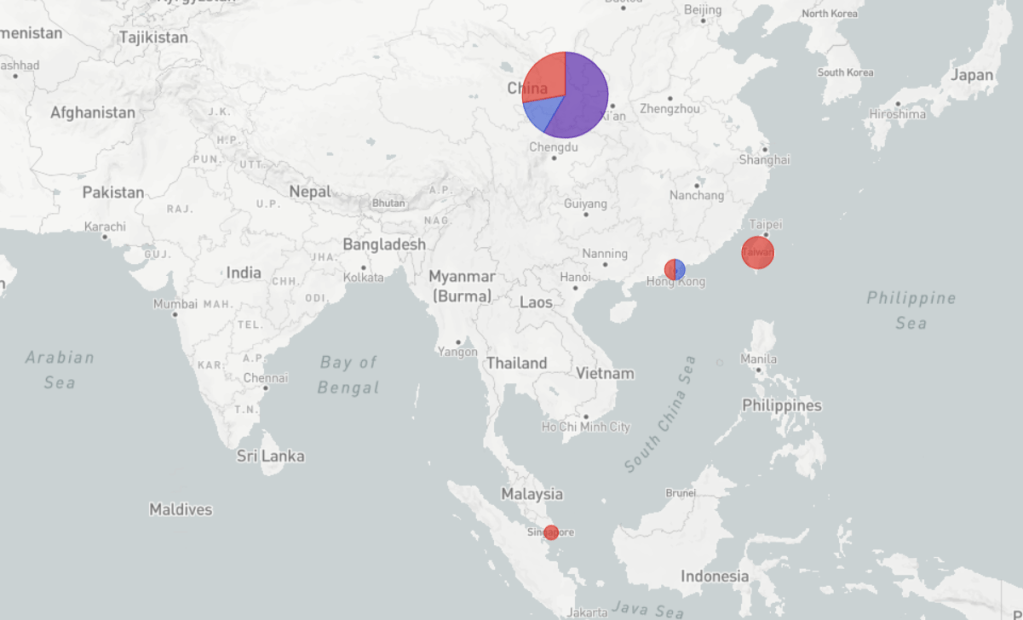
If you are interested in the relationship and closeness between different strains of coronavirus, check out Trevor Bedford’s fantastic interactive genetic tree! Bedford is a bioinformatics specialist at the University of Washington and Fred Hutchinson Cancer Research Center. The site linked above shows the relation between 2019-nCov, SARS, MERS (Middle East respiratory syndrome, another human coronavirus strain with an origin linked to… you guessed it, bats), and more, including a geographical map of different strains.

Screenshot from Trevor Bedford’s interactive genetic tree.
Screenshot from Trevor Bedford’s genetic strain map.

UPDATE (2/18/2020): I’d recommend reading this fantastic phys.org article if you’re curious on why exactly bat-to-human virus evolution is so common.

References

  1. Zhou PYang X-LWang X-GHu BZhang LZhang WSi H-RZhu YLi BHuang C-LChen H-DChen JLuo YGuo HJiang R-DLiu M-QChen YShen X-RWang XZheng X-SZhao KChen Q-JDeng FLiu L-LYan BZhan F-XWang Y-YXiao G-FShi Z-L. 2020. Discovery of a novel coronavirus associated with the recent pneumonia outbreak in humans and its potential bat origin.
  2. Lucas WKnipe DM. 2002. Encyclopedia of Life Sciences. Encyclopedia of Life Sciences. Macmillan Publishers Ltd.
  3. Cohen J. 2020. New coronavirus threat galvanizes scientists. Science.
  4. Hadfield JMegill CBell SMHuddleston JPotter BCallender CSagulenko PBedford TNeher RA. 2018. Nextstrain: real-time tracking of pathogen evolution. Bioinformatics 34:4121–4123.

Link found between stress and development of grey hair

Anecdotal evidence of stress leading to grey hair has been known for a long time. However, until now, the mechanism behind this association has been left up to speculation. A recent study has been published in Nature magazine from researchers at the Harvard University Department of Stem Cell and Regenerative Biology; it seems to reveal the cause of this interesting association.

At first, these researchers thought that the cause of greying might be the stress hormone cortisol, produced in the adrenal gland. However, lab mice who had their adrenal glands removed still showed a transition of greying hair under stress. So, the researchers went back to the drawing board.

The key to this mechanism turned out to be the sympathetic nervous system, or SNS. Colloquially known as the “fight or flight” response, the SNS prepares the body for intense bouts of physical activity or high-pressure situations. The inverse of this system is the parasympathetic system, or PNS, which relaxes the body (what some like to call the “rest and digest” response). When the SNS activates, it signals the adrenal gland to produce not only cortisol, but also other stress hormones like epinephrine and norepinephrine. These hormones cause a variety of effects, including elevated heart rate and blood pressure to prepare you for activity.

SNS nerves branch throughout the body, including into each hair follicle, which is the sheath of cells and connective tissue that surrounds the root of the hair. These follicles contain adult stem cells (a complex type of cell that can develop into several different types of cells). As hair grows and regenerates, some of these stem cells develop into pigment-producing cells and create our hair’s pigment compounds. In the current study, it was found that the stress hormone norepinephrine causes stem cells to activate excessively. This causes them to all convert into pigment-producing cells, prematurely depleting the reservoir. With no regular stem cells to divide, reproduce, and continue differentiating, the pigment eventually runs out. This causes the hair to grey sooner than it would naturally by old age. This damage is also permanent within the individual hair strands.

This study shows potentially severe health implications to high stress lifestyles. With the hair and skin being the most prominent bodily tissues we can see from the outside, the effects of stress are often apparent. However, the stress response is also likely affecting other tissues in the body that are not immediately visible. Ya-Chieh Hsu, the senior author of the research paper, had this to say:

“By understanding precisely how stress affects stem cells that regenerate pigment, we’ve laid the groundwork for understanding how stress affects other tissues and organs in the body. Understanding how our tissues change under stress is the first critical step towards eventual treatment that can halt or revert the detrimental impact of stress. We still have a lot to learn in this area.

Ya-Chieh Hsu, Associate Professor of Stem Cell and Regenerative Biology at Harvard

Original story and interview by Jessica Lau of Harvard University.

References

  1. Zhang BMa SRachmin IHe MBaral PChoi SGonçalves WAShwartz YFast EMSu YZon LIRegev ABuenrostro JDCunha TMChiu IMFisher DEHsu Y-C. 2020. Hyperactivation of sympathetic nerves drives depletion of melanocyte stem cells. Nature.
  2. 2011. Understanding the stress response. Harvard Health. Harvard Health Publishing.
  3. URMC Health Encyclopedia. URMC Health Encyclopedia. University of Rochester Medical Center.
Design a site like this with WordPress.com
Get started